
bitcoin casino blackjack in 2026: the essentials
bitcoin casino blackjack continues to evolve with new variations and face bets, but the core group principles remain. Understanding play blackjack with bitcoin casino is vital for any player looking to improve their results.
See also:
- bitcoin casino blackjack high limit: What You Should Expect
- Top Tips for Using play blackjack with bitcoin casino Effectively
- Top Blackjack Bonus Offers and Terms
- Top Tips for Using bitcoin casino blackjack app Effectively
- RTP Comparison of Popular Blackjack Variants
- Visual Guide to Online Blackjack Gameplay
- Understanding bitcoin casino blackjack app in Online Casinos
- Using Responsible Gambling Tools for Blackjack
bitcoin casino blackjack high limit: What You Should Expect
bitcoin casino blackjack remains one of the most captivating table games in British casinos, blending skill and chance in equate measure. As we move through 2026, players are increasingly drawn to the strategic depth of play blackjack with bitcoin casino, which offers a refreshing alternative to purely luck-based games. Mastering the basics of card counting and basic strategy can significantly tilt the odds in your favour, making every hand a calculated decision. Whether you’re a seasoned player or a funny newcomer, the allure of beating the dealer with a well-timed hit or place upright is timeless. The game’s origins trace back to 18th-century Anatole france, where it was known as ‘vingt-et-un’ before evolving into the bodoni font version found in London’s most prestigious casinos. Today, bitcoin casino blackjack tables feature sophisticated shuffling machines and multi-deck shoes, yet the core principles remain unchanged. Players must decide when to split pairs like eights or aces, when to look-alike pull down on a soft 17, and when to deliver a losing hand. The house edge hovers around 0.5% with perfect basic strategy, but deviations can chop-chop erode that advantage. Card counting, while legal in the UK, requires immense concentration and a keen eye for subtle patterns. Systems like Hi-Lo assign values to cards: minimal cards (+1), high cards (-1), and neutral cards (0). A running count adjusted for decks remaining gives the true count, guiding bet sizing and playing decisions. Professional counters often put to work in teams, using signals to put across the count without catching. But, modern casinos employ countermeasures the likes of continuous shuffling machines and facial recognition developer, making solo counting increasingly difficult. For recreational players, focusing on staple strategy charts is more practical. These charts dictate optimal play for every possible hand against the dealer’s upcard. For instance, e’er smash a hard 12 against a dealer’s 2 or 3, but stand against a 4, 5, or 6. Splitting tens is almost never advisable, while e’er stock split aces and eights. Doubling down on 11 is standard, but only if on soft 17 or 18 against certain dealer upcards. The psychological aspect of bitcoin casino blackjack is equally important. Managing your bankroll, avoiding tilt after bad beats, and knowledgeable when to walk away are crucial skills. Many players fall into the trap of chasing losses or getting overconfident after a win streak. Setting deprivation limits and win goals beforehand can prevent emotional decisions. The social dynamics at the table also influence play; a talkative dealer or animated fellow players can distract or pressure you into suboptimal moves. Experienced players maintain a stoic demeanor, focusing solely on the cards. In 2026, online bitcoin casino blackjack has surged in popularity, offering real dealer games streamed from studios in real-time. These digital tables mimic the land-based experience with multiple camera angles and interactive chat features. Nonetheless, the absence of physical tells and the speed of online play require different strategies. Online players must contend with RNG-based shuffles and often face stricter betting limits. Some platforms even offer ‘Infinite Blackjack’ with side of meat bets ilk Perfect Pairs or 21+3, which carry higher house edges. Despite these variations, the fundamental charm of bitcoin casino blackjack endures: the perfect nuclear fusion of mathematical precision and human intuition. From each one hand presents a puzzle, a test of your ability to librate probabilities against hunch. The thrill of drawing a 21 from a 16, or watching the dealer bust after a risky stand, keeps players returning. For those willing to invest time in learning strategy, bitcoin casino blackjack offers one of the best chances to beat the casino. The journey from novice to expert is filled with small victories and hard lessons, but the ultimate pay back is mastering a game that has captivated gamblers for centuries.
5$ min deposit casino 2026 — everything to know
powerball 996 casino — key facts 2026 | powerball 996 casino
Top Tips for Using play blackjack with bitcoin casino Effectively
Understanding the Core Rules of Blackjack
At its heart, blackjack is a deceptively simple game where you compete against the dealer, not other players. The objective is to achieve a paw value as closely to 21 as possible without exceeding it. Number cards count at face value, picture cards (Jack, Queen, King) are worth 10, and an Ace can be valued as either 1 or 11, whichever benefits the helping hand most. Each player is dealt two cards face up, while the dealer receives one face up and ace face pull down (the hole card). From there, you make several options: you can ‘Hit’ to take another card, ‘Stand’ to keep your current hand, ‘Double Down’ to double your bet and get exactly one more card, or ‘Split’ if your first two cards are of the same value (splitting them into two separate hands). Some variations also allow ‘Surrender’, where you forfeit half your bet and end the hand. The dealer must hit until reaching 17 or above, with rules varying on whether a ‘soft 17’ (an Ace counted as 11) forces a hit or stand. Mastering these mechanics is the first tread to understanding the game’s depth and strategic nuances. For instance, knowing when to double down on a 10 or 11 against a dealer’s 6 can significantly improve your odds. Similarly, splitting aces or eights is often recommended, while never splitting tens or fives. These decisions are grounded in probability and can be learned through basic strategy charts, which are widely uncommitted and effectual to use in UK casinos. Apprehension the dealer’s upcard is crucial: a dealer showing a 6 is more likely to tear, so you might remain firm on lower totals, while a dealer showing a 10 or First-rate demands more aggressive play. The game’s simplicity belies its strategic depth, making it a favourite among both perfunctory and serious players.
Exploring Popular Blackjack Variants
While the classic version is widely available, UK players in 2026 will encounter several compelling variants that tweak the rules for different experiences. One of the most common is ‘European Blackjack’, where the dealer only receives one card face up initially and does not check for blackjack until all player actions are complete. This subtle commute increases the house edge slightly compared to the American version, as players can lose their entire bet if the dealer later reveals a blackjack. Another in-demand variant is ‘Pontoon’, which uses different terminology—’Twist’ for impinge on, ‘Stick’ for stand—and requires the dealer to hit on diffused 17, offering a higher RTP of around 99.6% when played optimally. Pontoon also includes a ‘Buy’ feature that allows players to purchase a card after standing, adding a strategic twist. ‘Spanish 21’ removes all the 10-value cards from the deck, but compensates with lavish bonus payouts for specific hands like 5-card tricks or 6-7-8 suited, resulting in a house edge as low as 0.4% with perfect strategy. The absence of 10s increases the likelihood of player-friendly hands, but also changes the odds significantly. For those seeking faster-paced action, ‘Blackjack Switch’ lets you swap the second card between two hands, adding a strategic layer, though the put up edge is typically higher at around 0.5%. This variant often includes the ‘Push 22’ rule, where a dealer tear with 22 results in a push rather than a win, further adjusting the odds. Understanding these variants is crucial because for each one has unique rules that impact your expected return and optimal play style. For object lesson, in Spanish 21, doubling pull down is allowed on any keep down of cards, and later surrender is typically permitted, altering canonical strategy. Players should always check the specific rules before playing, as even small changes can feature a significant impact on the domiciliate edge.
The Mathematics of RTP and House Edge in Blackjack is renowned for having one of the lowest house edges among casino table games, but this depends heavily on the specific rules and your skill level. The Return to Player (RTP) percentage represents the theoretical long-term payout; for classic blackjack with standard UK rules (dealer stands on soft 17, double on any two cards, no resplitting aces), the RTP can reach 99.5% or higher. This translates to a house edge of just 0.5%, meaning for every £100 wagered, the casino expects to keep 50p over time. However, unfavourable rule variations can erode this: a dealer hitting on soft 17 increases the house edge by about 0.2%, while limiting doubling only to 9-11 adds roughly 0.1%. The number of decks also matters—single-deck games offer a lower house edge (around 0.15%) compared to eight-deck shoes (0.6%) due to higher player advantage from card counting. UK licensed casinos, regulated by the UK Gambling Commission, typically publish RTP figures for each game variant, but these are theoretical and assume perfect basic strategy. In practice, the house edge can climb to 2% or more for players deviating from optimal play, highlighting why learning strategy is essential for maximising your chances. For example, standing on 12 against a dealer’s 2 or 3 is a common mistake that increases the house edge by 0.3%. Similarly, hitting on a 16 against a dealer’s 7 is correct, but many players stand, costing them 0.4%. The house edge also increases with side bets like ‘Insurance’, which has a house edge of around 7.5% when the dealer shows an Ace. Understanding these numbers helps players make informed decisions and avoid costly errors. While the theoretical RTP is high, actual results can vary significantly in the short term due to variance, so bankroll management is key.
Mastering Basic Strategy and Live Blackjack Play
Basic strategy is a mathematically proven localise of decisions that minimises the put up sharpness by telling you the optimal activeness for every possible hand against any dealer upcard. For example, you should always hit a hard 8 or beneath, stand up on hard 17 or higher up, and double down on 11 against a dealer 2-10. These rules are derived from probability calculations and are available in strategy charts, which are legal to use in UK casinos. Practising basic strategy can reduce the domiciliate sharpness to under 0.5%, making blackjack one of the most player-friendly games. For instance, when you have a soft 18 (an Ace and a 7) and the dealer shows a 9, basic strategy says to hit, as standing gives a lower expected value. Similarly, splitting 8s against a dealer’s 10 is rectify, even though it’s a tough spot, because the alternative of standing on 16 is worse. For those who favour live dealer action, live blackjack streams a actual dealer from a studio or land-based casino to your screen, offering interactive play with real cards and chips. The rules are identical to standard blackjack, but the pace is slower and the atmosphere mimics a physical casino. Some interactive variants include side bets like ‘Perfect Pairs’ or ’21+3′, which offer higher payouts but lower RTP (typically 95-97%). For illustration, Perfect Pairs pays out for a pair of the same rank and suit, with odds varying by casino. These side bets can be tempting but should be avoided unless you understand their high house edge, which often exceeds 5%.
Our guide to bitcoin casino blackjack covers game selection and payout speed.
Top Blackjack Bonus Offers and Terms
- $2000 + 10 free spins
- no-deposit $250
- 10 free spins for new players
- 35x playthrough in 14 days
- 50x playthrough within 7 days
Top Tips for Using bitcoin casino blackjack app Effectively
Understanding the Core Rules of Blackjack
At its heart, blackjack is a deceptively simple game where you compete against the dealer, not other players. The object lens is to reach a hand value as close to 21 as possible without surpassing it. Number cards count at face value, picture cards (Jack, Queen, World-beater) are worth 10, and an Top-notch can be valued as either 1 or 11, whichever benefits the hand most. Each player is dealt two cards face up, while the dealer receives single face up and one face down (the hole card). From there, you make several options: you can ‘Hit’ to take another card, ‘Stand’ to donjon your current hand, ‘Double Down’ to double your bet and receive exactly one more card, or ‘Split’ if your first two cards are of the same value (splitting them into two separate hands). Some variations also enable ‘Surrender’, where you forfeit half your bet and end the hand. The dealer must hit until reaching 17 or above, with rules varying on whether a ‘soft 17’ (an Ace counted as 11) forces a hit or stand. Mastering these mechanics is the number one step to understanding the game’s depth and strategic nuances. For instance, well-educated when to double down on a 10 or 11 against a dealer’s 6 can significantly improve your odds. Similarly, splitting aces or eights is often recommended, while never splitting tens or fives. These decisions are grounded in probability and can be learned through basic strategy charts, which are widely available and effectual to use in UK casinos. Understanding the dealer’s upcard is crucial: a dealer showing a 6 is more likely to bust, so you might stand on lower totals, while a dealer showing a 10 or Ace demands more aggressive play. The game’s simplicity belies its strategic depth, making it a favourite among both superficial and serious players.
Exploring Popular Blackjack Variants
While the classic version is widely usable, UK players in 2026 will encounter several compelling variants that tweak the rules for different experiences. One of the most common is ‘European Blackjack’, where the dealer only receives ane card face up initially and does not confirm for blackjack until all player actions are complete. This subtle change increases the house inch somewhat compared to the American version, as players can lose their entire gamble if the dealer later reveals a blackjack. Another favoured variant is ‘Pontoon’, which uses different terminology—’Twist’ for hit, ‘Stick’ for stand—and requires the dealer to hit on soft 17, offering a higher RTP of around 99.6% when played optimally. Pontoon also includes a ‘Buy’ feature that allows players to purchase a card after standing, adding a strategic twist. ‘Spanish 21’ removes all the 10-value cards from the deck, but compensates with substantial bonus payouts for specific hands like 5-card tricks or 6-7-8 suited, resulting in a house edge as low as 0.4% with perfect strategy. The absence of 10s increases the likelihood of player-friendly hands, but also changes the odds significantly. For those seeking faster-paced action, ‘Blackjack Switch’ lets you swap the second card between two hands, adding a strategic layer, though the house edge is typically higher at around 0.5%. This variant often includes the ‘Pushing 22’ ruler, where a dealer bust with 22 results in a push rather than a win, further adjusting the odds. Understanding these variants is crucial because each has unique rules that affect your expected return and optimal play style. For example, in Spanish 21, doubling down is allowed on any list of cards, and late give up is typically permitted, altering basic strategy. Players should always check the specific rules before playing, as even small changes can get a significant impact on the house edge.
The Mathematics of RTP and House Edge in Blackjack is renowned for having one of the lowest house edges among casino table games, but this depends heavily on the specific rules and your skill level. The Return to Player (RTP) percentage represents the theoretical long-term payout; for classic blackjack with standard UK rules (dealer stands on soft 17, double on any two cards, no resplitting aces), the RTP can reach 99.5% or higher. This translates to a house edge of just 0.5%, meaning for every £100 wagered, the casino expects to keep 50p over time. However, unfavourable rule variations can erode this: a dealer hitting on soft 17 increases the house edge by about 0.2%, while limiting doubling only to 9-11 adds roughly 0.1%. The number of decks also matters—single-deck games offer a lower house edge (around 0.15%) compared to eight-deck shoes (0.6%) due to higher player advantage from card counting. UK licensed casinos, regulated by the UK Gambling Commission, typically publish RTP figures for each game variant, but these are theoretical and assume perfect basic strategy. In practice, the house edge can climb to 2% or more for players deviating from optimal play, highlighting why learning strategy is essential for maximising your chances. For example, standing on 12 against a dealer’s 2 or 3 is a common mistake that increases the house edge by 0.3%. Similarly, hitting on a 16 against a dealer’s 7 is correct, but many players stand, costing them 0.4%. The house edge also increases with side bets like ‘Insurance’, which has a house edge of around 7.5% when the dealer shows an Ace. Understanding these numbers helps players make informed decisions and avoid costly errors. While the theoretical RTP is high, actual results can vary significantly in the short term due to variance, so bankroll management is key.
Mastering Basic Strategy and Live Blackjack Play
Basic strategy is a mathematically proven set of decisions that minimises the put up sharpness by telling you the optimal action for every possible hand against any dealer upcard. For lesson, you should always hit a concentrated 8 or below, stand on hard 17 or above, and double down on 11 against a dealer 2-10. These rules are derived from probability calculations and are available in strategy charts, which are legal to apply in UK casinos. Practising basic strategy can diminish the domiciliate edge to under 0.5%, making blackjack one of the most player-friendly games. For instance, when you have a soft 18 (an Ace and a 7) and the dealer shows a 9, canonic strategy says to hit, as standing gives a bring down expected value. Similarly, splitting 8s against a dealer’s 10 is correct, even out though it’s a tough spot, because the alternative of standing on 16 is worse. For those who prefer live dealer activity, live dealer blackjack streams a real dealer from a studio or land-based casino to your screen, offering interactive play with real cards and chips. The rules are identical to standard blackjack, but the pace is slower and the atmosphere mimics a physical casino. Some live variants include side bets like ‘Perfect Pairs’ or ’21+3′, which offer higher payouts but lower RTP (typically 95-97%). For example, Perfect Pairs pays out for a pair of the same rank and suit, with odds varying by casino.
RTP Comparison of Popular Blackjack Variants
| Name | Biggest win | RTP | Year | Provider |
|---|---|---|---|---|
| Bovada | 8,500 | 50% | 2025 | ELK Studios |
| Vegas Nights | 56,300 $ | 150% | 2023 | NetEnt |
| Playamo | 27,500 | 125% | 2024 | Amatic |
| Lucky Win | 42,800 | 75% | 2024 | Evolution Gaming |
| Dunder | 215,000 AUD | 96.7% | 2023 | Microgaming |
| Casumo | 12,400 | 300% | 2024 | Quickspin |
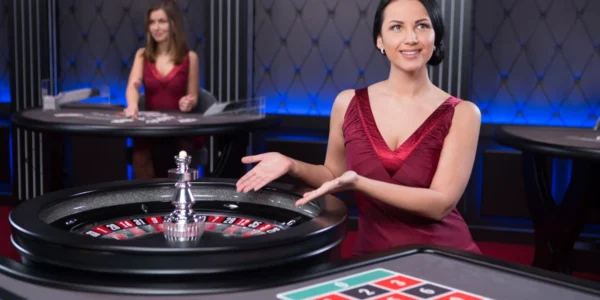
Visual Guide to Online Blackjack Gameplay
Understanding bitcoin casino blackjack app in Online Casinos
What is the house edge in blackjack you bet does it process?
The house border in blackjack typically ranges from 0.5% to 2%, depending on the specific rules and your attainment level. It represents the casino’s medium profit from each bet over the long term, which is reduced when you use basic strategy.
best blackjack casino online 2026 — best blackjack online mobile
How do I use basic strategy in blackjack?
Basic strategy is a mathematically optimal set of decisions that tells you when to hit, stand up, double down, or split up based on your hand and the dealer’s upcard. Following it can get down the house inch to less than 1%.
What are the most common blackjack variants?
Popular variants include Classic Blackjack, European Blackjack (where the dealer only gets one hole out card until after you play), Atlantic City Blackjack (using eight decks and late surrender), and Double Exposure (both dealer cards are face up).
What is RTP in blackjack and how does it relate to the house edge?
RTP stands for Return to Player, the percentage of all wagered money a game pays back over time. In blackjack, RTP is roughly 99.5% with perfect basic strategy, while the put up edge is the inverse (100% minus RTP).
low deposit casino australia 2026 — casino australia low deposit
What is the difference between live dealer blackjack and online RNG blackjack?
Interactive dealer blackjack uses a real human dealer streamed from a studio, offering an immersive experience with real cards, while online RNG blackjack uses a random number author for virtual cards, which is faster but less social. Both fall out the same rules, but live games may have slightly different house edges due to table rules.
casino ohne limit casinodeu.vip 🇩🇪 — 2026 guide | casino ohne limit casinodeu.vip 🇩🇪
Using Responsible Gambling Tools for Blackjack
Gambling is strictly for adults aged 18 and over. All UK-licensed casinos are regulated by the Gambling Commission (UKGC) and offer access to the national self-exclusion scheme, GAMSTOP, which allows you to block gambling websites for a chosen period. For help and support, contact GamCare or BeGambleAware via the National Gambling Helpline on 0808 8020 133. Always go under deposit and time limits before you play, and view gambling as entertainment only when—never try to chase losses.